
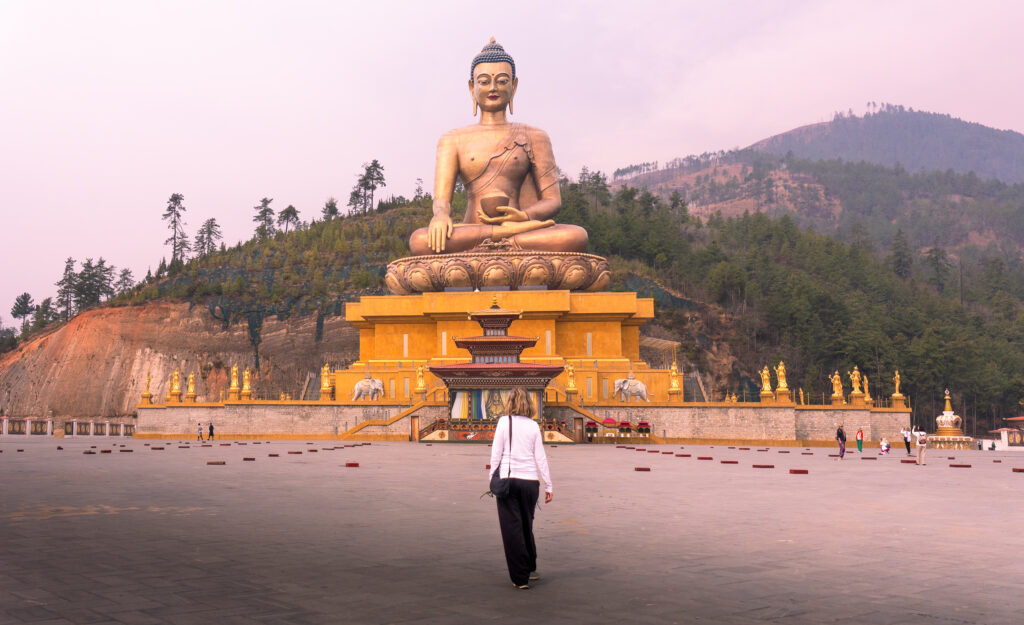
I'm not a believer. Today, at 45, I can say that for certain, although things were different when I was a child. I was baptised, made my First Communion, went to a school run by nuns, and took religion classes until I was 17. Before lessons began each morning, we'd all stand at our desks, in our perfectly ironed green-and-red checked skirts, and pray with the nuns. It didn't matter what the first class of the day was — the 9 a.m. prayer was sacred.
I went to Mass every Sunday with my mother and brother until I was 18, when I made my confirmation. Almost overnight I stopped going — I started university, and on Sundays I preferred to sleep in after a late night out rather than get up early. Little by little, over the years, whether through maturity or through travel — who knows, since travel has also opened my mind to the fact that there are other religions beyond our own — I drifted away, and today I don't consider myself a believer, at least not in the traditional sense.
I believe in my loved ones who are no longer here; I pray to them when I feel I need to give thanks or ask for something. I'd rather pray to my grandmothers, whom I actually knew, than to... God?
Spirituality outside of religion
A few months ago I heard someone say that none of us are true non-believers until we hit the worst turbulence of our lives on a plane — then we all pray and commend ourselves to every god there is. Honestly, I haven't yet been scared enough to start praying on a plane, but I'm sure I'd think of my grandmothers.
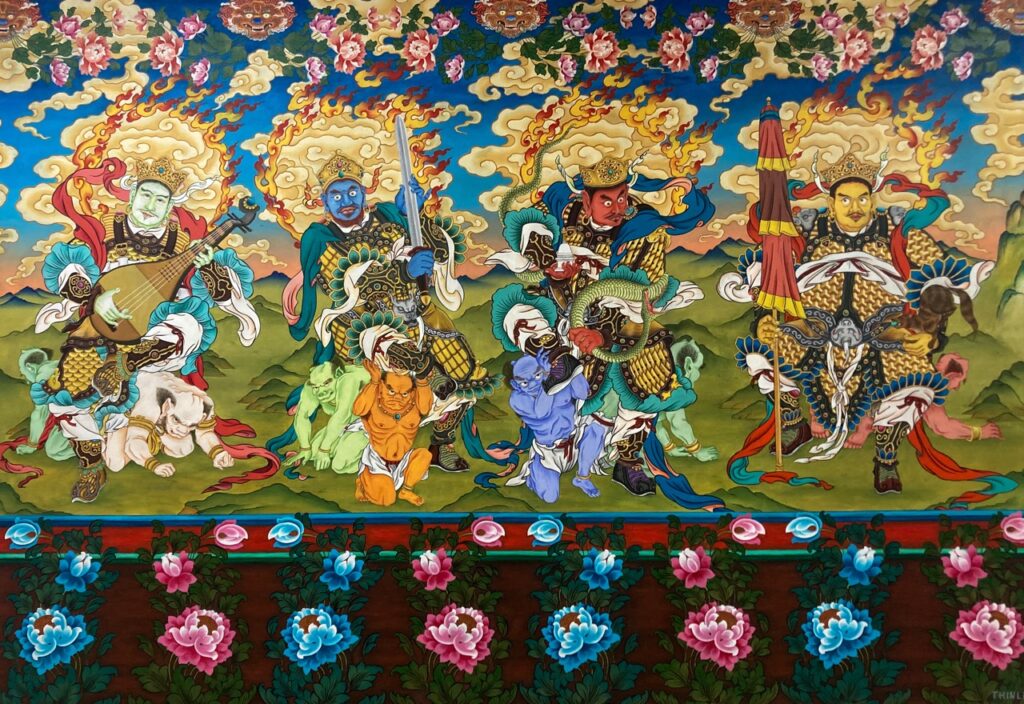
On my trip to Bhutan, when we were barely halfway through the route, one morning we started with a visit to a monastery that was especially dear to our guide — one of his favourites, he told us. Dendup, with infectious passion, explained that the temple's paintings told the story of the Buddha. Moving clockwise, we made our way through those colourful, intricate works of art while he narrated, scene by scene, the life of the Buddha like I'd never heard it before. He told it with such intensity, such enthusiasm, that it was almost enviable to watch him share his religion with us.
Tantric or esoteric Buddhism
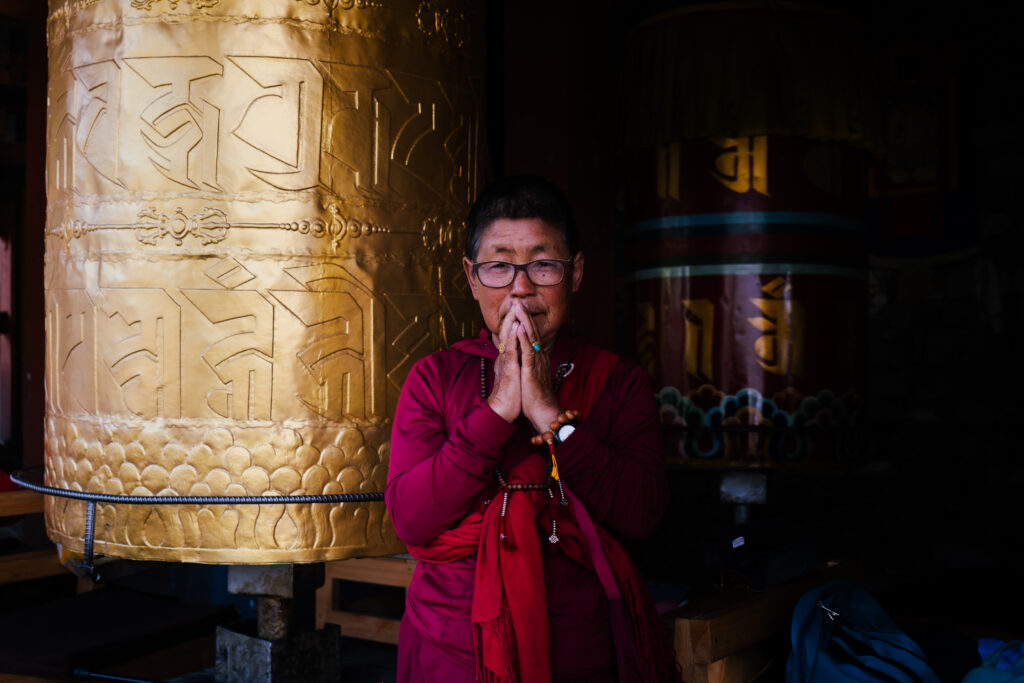
In Bhutan, the predominant branch of Buddhism is Vajrayana, also known as tantric or esoteric Buddhism — a name that does it justice, and one that was far removed from the idea I had in my head. In brief, Dendup began telling us how the Buddha was born in India, miraculously conceived when a white elephant entered his mother's side. Siddhartha was a prince who lived with his parents in comfort and luxury, but on becoming aware of human suffering he defied his father and renounced his life to seek a deeper truth. After years travelling through what is now India and Sri Lanka, and years of meditation under the Bodhi tree, he attained enlightenment and became the Buddha. From then on, he dedicated his life to teaching the path to liberation from suffering. After his death, the Buddha returned in a second manifestation, quite similar to a resurrection, and it's said future Buddhas will come to keep guiding beings toward enlightenment.
This whole, more esoteric version of the Buddha's life made me reflect on how similar all religions really are, deep down, with their deities, their miracles, their ways of being born and dying, resurrection or reincarnation, and sacred animals along the way. We mentioned to him that, allowing for the differences, there were many elements in common with Catholicism: the Virgin Mary giving birth to Jesus Christ while still a virgin, through the work of the Holy Spirit, who appears in the form of a dove; the preaching of teachings; miracles; death and resurrection; even the existence of heaven and hell in both cases.
The thing is, I realised it doesn't really matter what name it goes by, which god, or where or how they lived. Every country's religion is a way for people to hold on to hope, to wellbeing, and to a way of living and seeing life that, individually, helps many believers. Events like illness or death are generally experienced with less pain through faith and religion than they are without belief.
That morning, in the monastery, I saw clearly how valuable it is to open yourself up to other religions. Just like food, the way people dress, or education, religion is an essential part of a country's culture. Not engaging with it simply because you're not a believer means missing out on a deep, authentic part of travelling. Opening your mind to what you see, hear and feel makes for a far richer way of travelling.
Those paintings depicting the Buddha's life were some of the most beautiful things I saw in Bhutan.
A few days later, back in Madrid, I told my grandmothers about it — in bed, before falling asleep, which is when I talk to them.