
Bhutan isn't a destination you visit by chance. Getting here takes planning, but the reward is immense: monasteries perched on cliffs, festivals that feel plucked from another era, green valleys where time flows at a different pace, and the hospitality of a country that still measures its wealth in happiness.
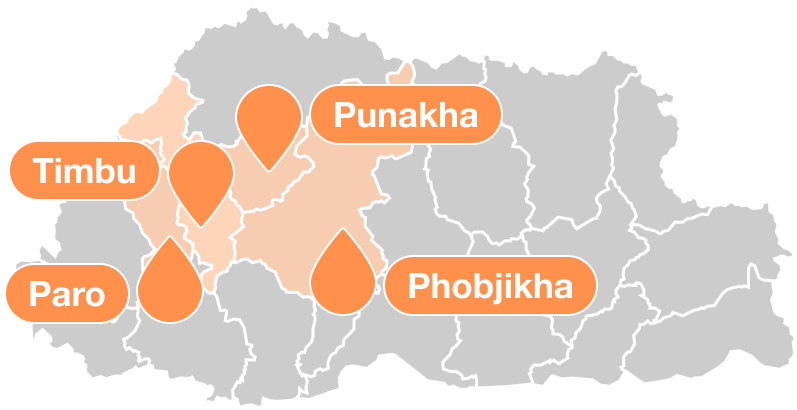
This 8-day, 9-night route combines the essentials of western Bhutan with one of its most spectacular celebrations, the Paro Tsechu Festival, taking in four of its most iconic districts: Paro, Thimphu, Punakha and Phobjikha.
Day 1 — From Paro to Thimphu, First Immersion in Bhutan
As soon as you land at Paro International Airport (one of the most challenging for pilots), the journey to Thimphu, the capital, begins — a trip of around an hour and a half. Along the way there's a stop at the Tachog Lhakhang Bridge, the only surviving iron chain-link bridge in the country, a link between the present and Bhutan's medieval past.

Once in Thimphu, a stop to try momos at Momo Café marks the start of the food experience. The afternoon is for exploring the National Memorial Chorten, the Tashichho Dzong, the Clock Tower and the Changangkha Lhakhang temple. This is where you start to feel the rhythm of the capital.
Day 2 — Thimphu, Tradition and Everyday Life
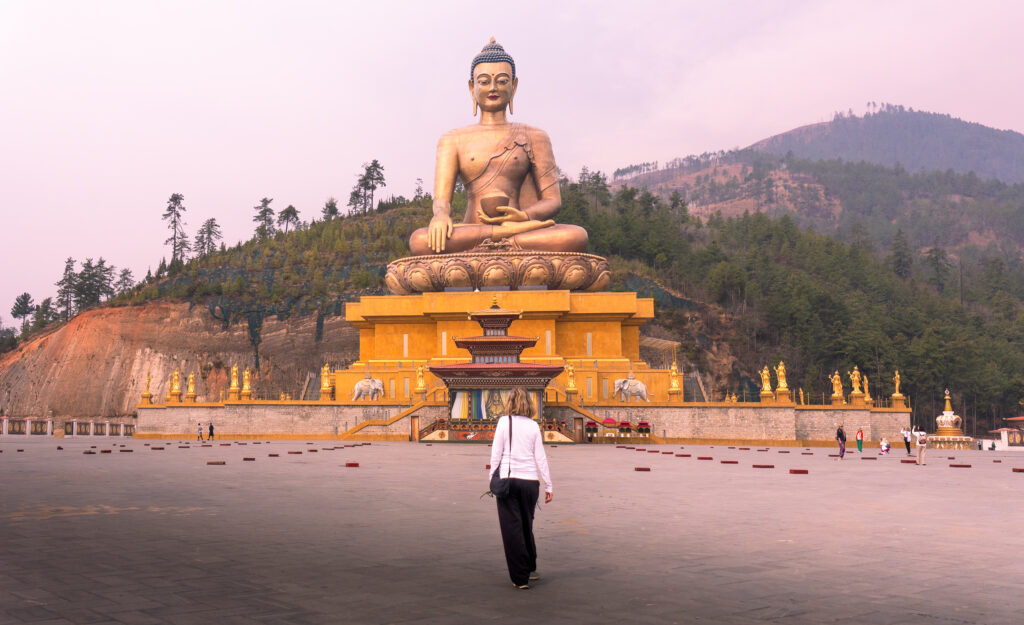
The day begins with the towering Great Buddha Dordenma statue, visible for miles around. Next, a curious visit: the Takin Reserve, home to Bhutan's national animal — half goat, half cow — which legend says was created by a Buddhist saint.
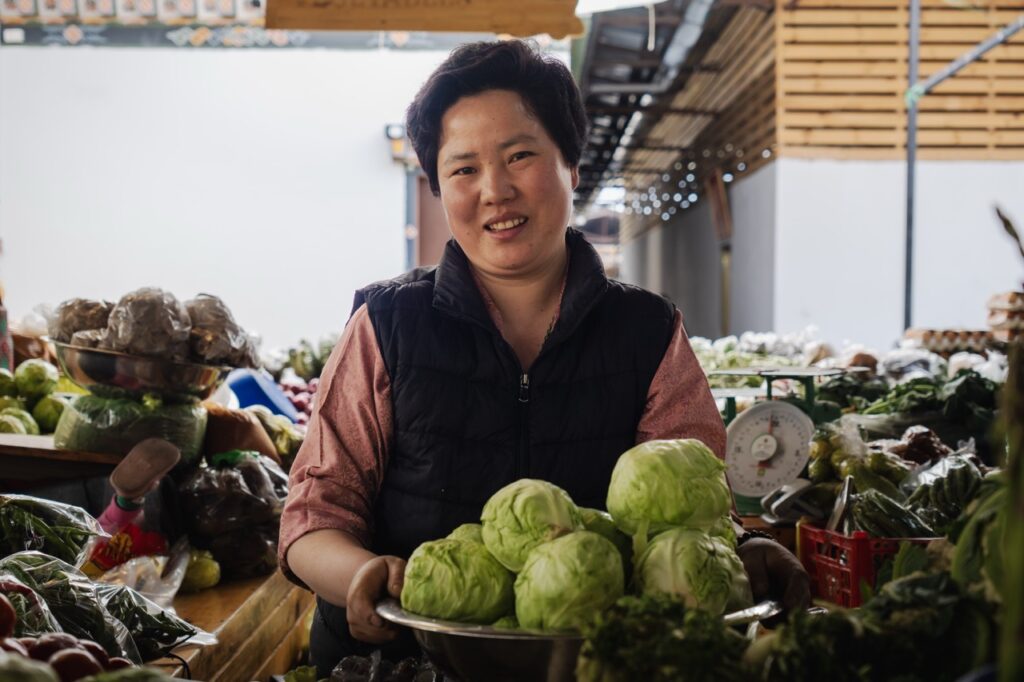
The Centenary Farmers Market and the Handicrafts Market are a visual feast, perfect for understanding what's grown, eaten and made here. Between stops, don't forget to look out for the country's only traffic police officer, famous for directing cars with almost choreographic gestures. The day can end with a round of archery, the national sport, and a Red Panda beer on a rooftop in the city.

Day 3 — On the Way to Punakha
The road to Punakha crosses the Dochula Pass, at 3,150 meters, with 108 stupas and spectacular Himalayan views on clear days. From there the route continues down into the valley, where the night is spent at a Farmhouse, sharing the experience with a local family.

In the afternoon, visit Chimi Lhakhang Temple, famous for its unique blessings, and the picturesque village of Yuwakha, known as the "phallus village" for the colorful paintings on the walls of its houses and shops. The day wraps up at the Dorji Lhuendrup Lhakhang nunnery, a haven of tranquility offering a glimpse into the area's monastic life.
The night ends with a home-cooked dinner at the Farmhouse, filled with stories and genuine hospitality.
Day 4 — Punakha, Between Rivers and Mountains
A morning trek to Khamsum Yulley Namgyal Chörten, a sacred viewpoint with sweeping views of the valley. Afterwards, a visit to Punakha Dzong, set at the confluence of two rivers and one of the country's most impressive monastic complexes.
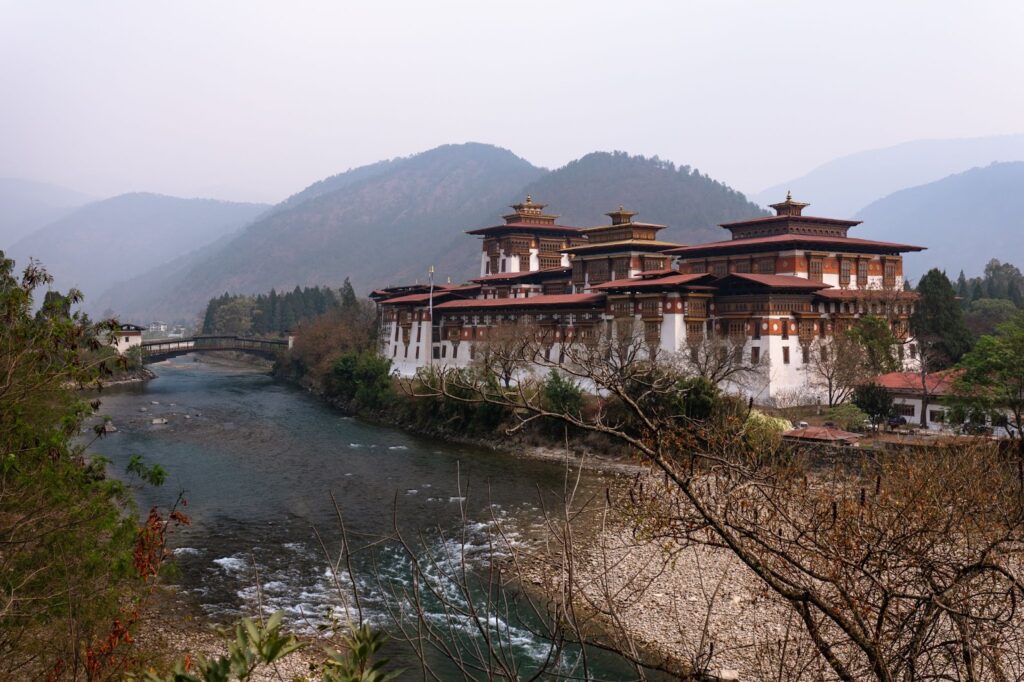
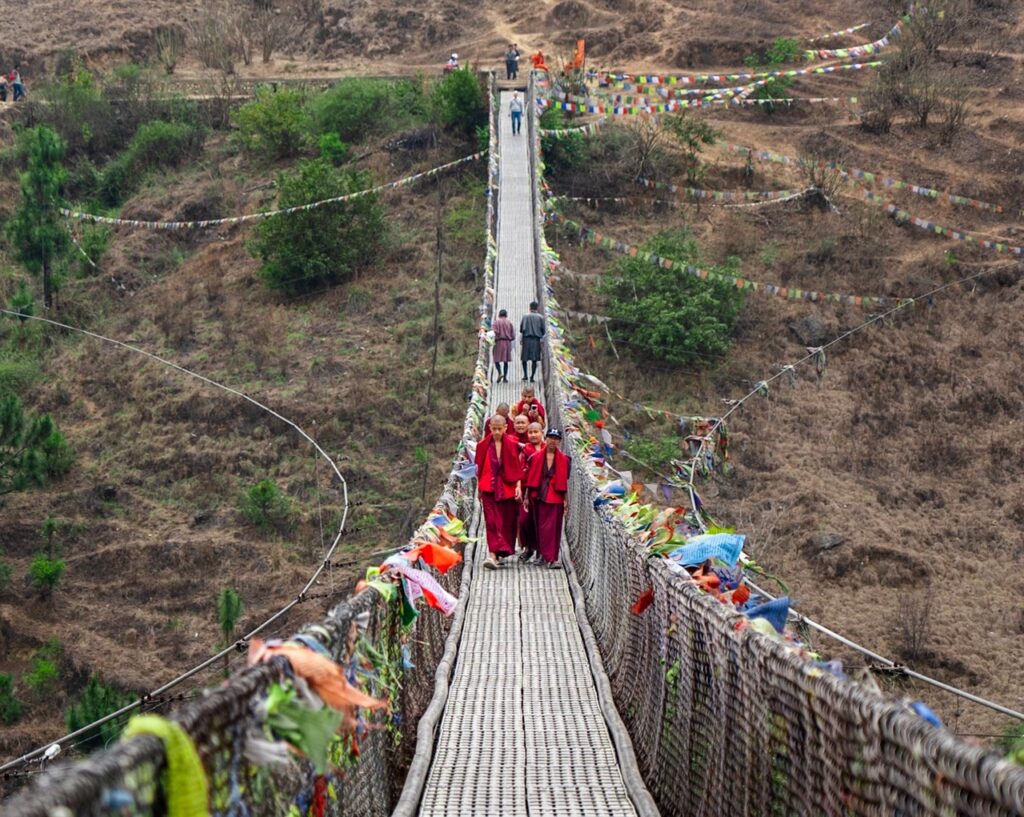
To close out the afternoon, crossing the Punakha suspension bridge — 180 meters strung over the river and draped in prayer flags — offers magnificent views of the dzong and the valley. The day ends with a home-cooked dinner at the Farmhouse, a good time to sample local food and talk with the host family.
Day 5 — Toward the Phobjikha Valley
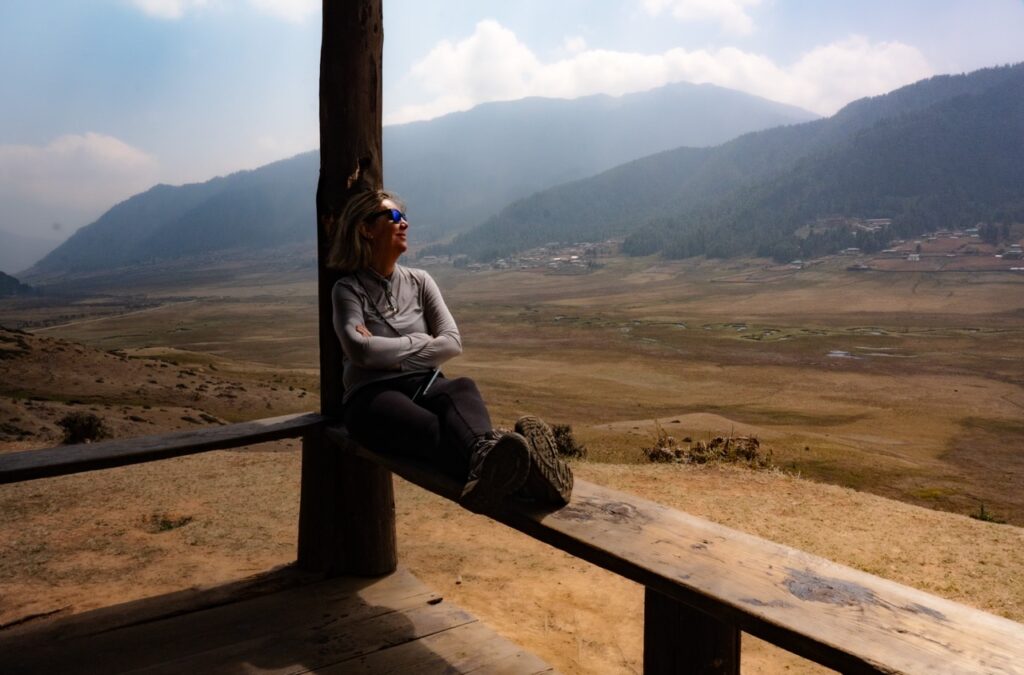
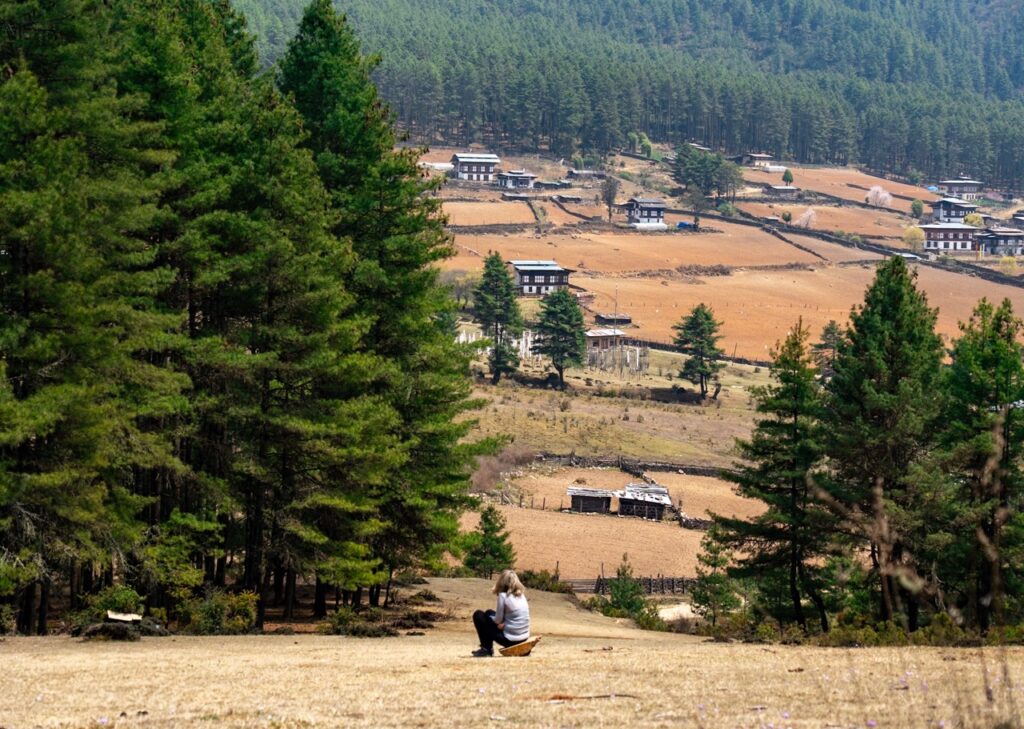
The route continues to the Phobjikha valley. We visit Gangtey Goempa Monastery and then hike the Gangtey Nature Trail, around 2 hours along a gentle path through meadows and forest with open views of the valley.
In the afternoon, a stop at the black-necked crane rehabilitation center to learn about its conservation work, check-in at another farmhouse, and a traditional hot stone bath, dötsho, perfect for relaxing after the hike.
Day 6 — Back to Paro and the Start of the Tsechu
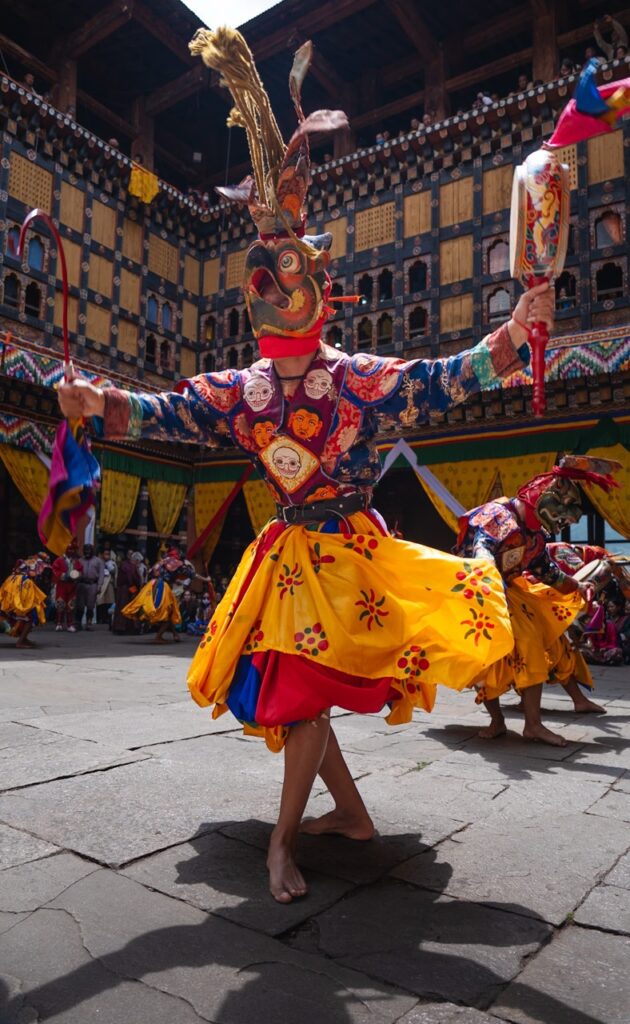
After a five-hour drive, you arrive in Paro just in time for the start of the Tsechu Festival, held at Paro Dzong. Between masked dances and traditional costumes, the festival is a chance to see how spirituality and community life intertwine in Bhutan. A stop at the Namgay Artisanal Brewery lets you sample local beers before checking in to the hotel.
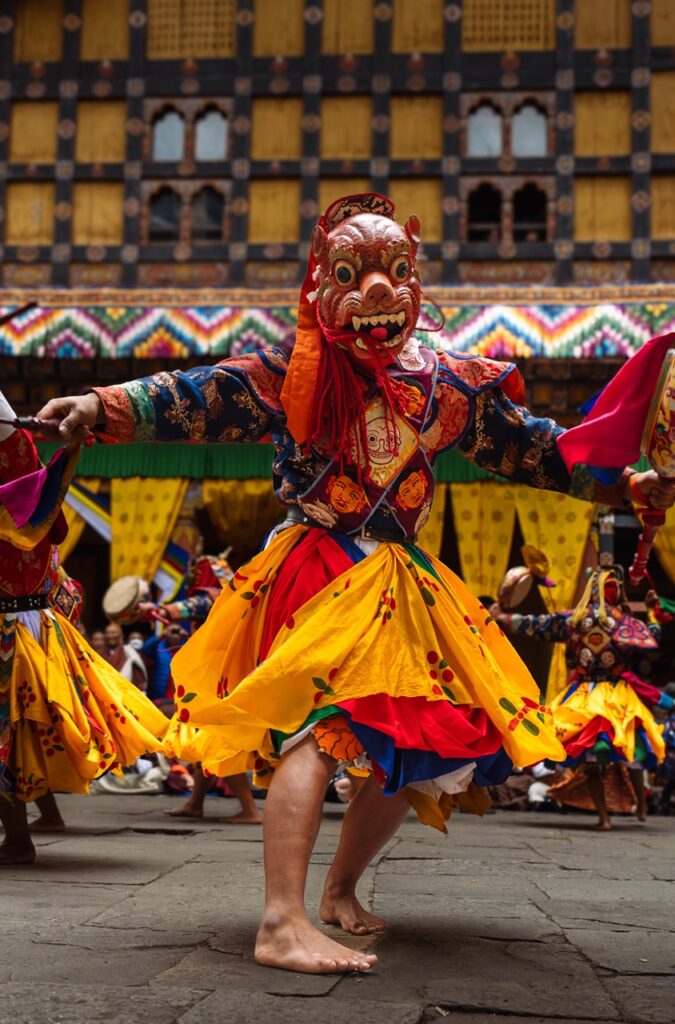
Day 7 — Paro Tsechu Festival
A full day for the Tsechu. This is a great moment to go the extra mile and rent traditional dress: the gho for men and the kira for women. Between breaks, it's a good time to stroll around Paro and pick up any last-minute shopping.
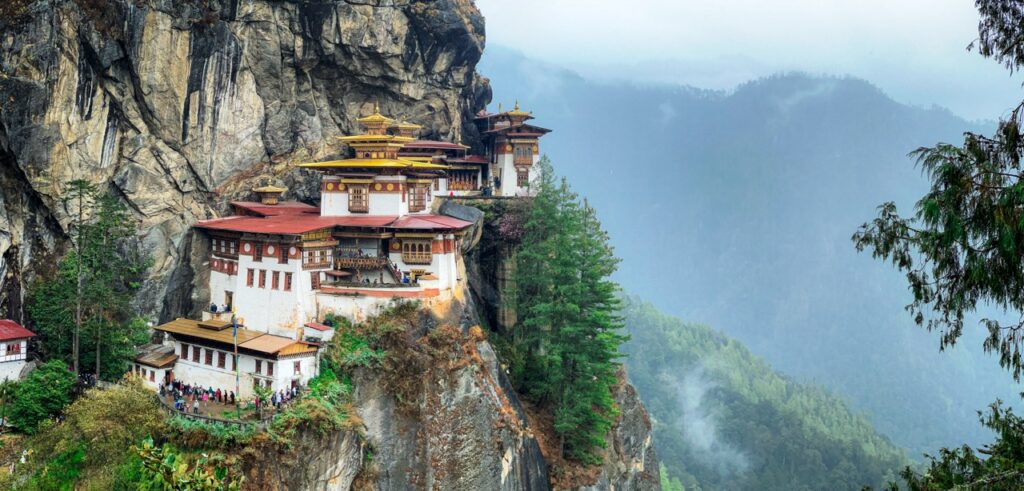
Day 8 — Tiger's Nest
The climb to Taktsang Monastery, better known as the Tiger's Nest, is one of Bhutan's most iconic experiences. The roughly five-hour round-trip hike takes some effort, but the visual and spiritual reward is incomparable. In the afternoon, free time for a massage, more shopping, or a second traditional hot stone bath.
Day 9 — Farewell to Bhutan
Flights usually leave early, but before reaching Paro Airport there's time for one last stop at a viewpoint to watch takeoffs and landings — quite a spectacle at one of the most challenging airports in the world.

This route is a suggestion based on my personal experience, but it can easily be adapted to your own interests, whether you'd rather focus your trip more on trekking, spirituality or religious festivals. The local agency Greenheart, who I traveled with, can help you design your perfect itinerary through Bhutan.
If you have more days available, I'd recommend extending the route to Haa Valley or Trongsa District, both highly recommended.