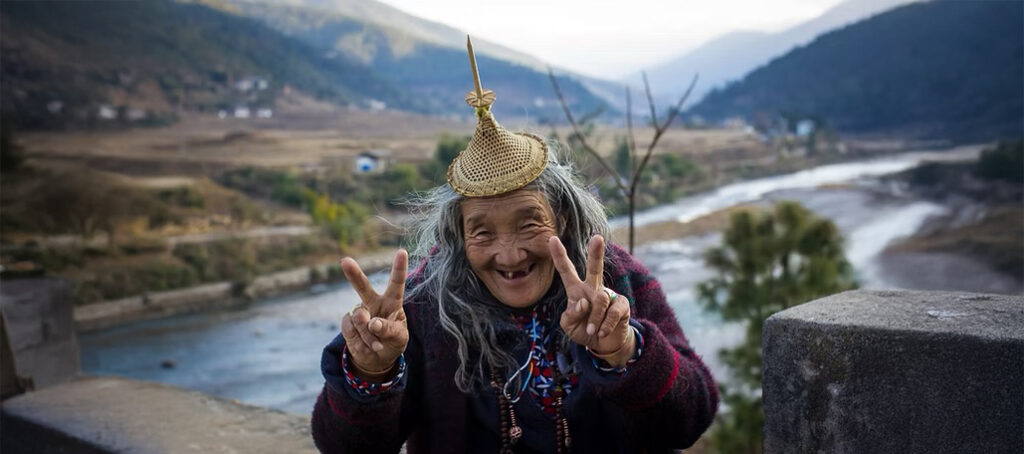
Happiness is one of those words we all think we understand, but the moment we try to define it, it becomes slippery. Is it a utopia? An achievable goal? Is it a permanent state, or just fleeting moments that appear and disappear?
We could say happiness is as abstract and subjective as beauty — or even more so — because you can't see it. It's an internal feeling, unique to each person, impossible to measure… or is it?
I read about Bhutan's Gross National Happiness Index many years ago, and I found it curious, even somewhat utopian. A Ministry of Happiness? An index to measure something so intangible?
My first reaction was to assume it was a tourism marketing strategy. But nothing could be further from the truth. Years later I was lucky enough to see it for myself, and I ended up wondering why the rest of the world wasn't doing something similar.
The History of GNH
In the 1970s, a British journalist asked Bhutan's fourth king, King Jigme Singye Wangchuck, where Bhutan ranked in the world in terms of GDP, knowing full well it sat near the bottom of the table. The king replied that there were many other ways to measure a nation's wellbeing — happiness, for instance — and that a country's economy shouldn't be the main basis for assessing its wellbeing and happiness.
From that moment on, a system began taking shape that still guides the country's decision-making today.
So how is happiness measured in Bhutan?
It rests on four pillars:
- Sustainable and equitable socioeconomic development
- Environmental conservation
- Cultural preservation
- Good governance
From 2005, indicators and a pilot questionnaire were developed, with official surveys running since 2008.
On January 24, 2008, the Gross National Happiness Commission was founded, given new responsibilities to ensure the country's plans and policies integrated the philosophy of happiness.
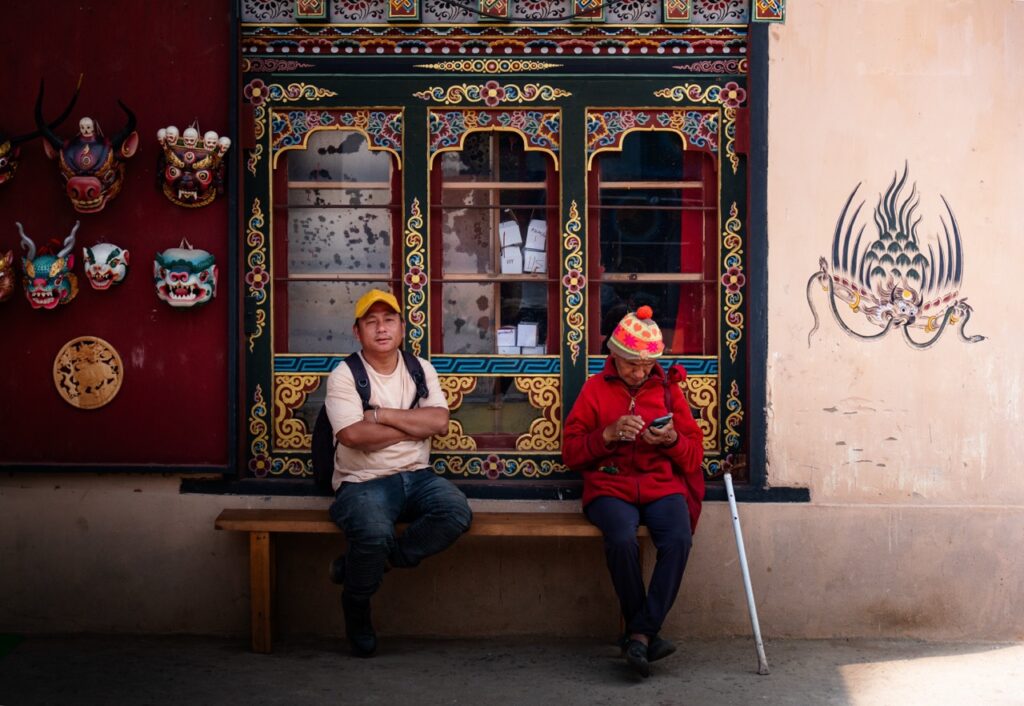
Every three to five years, government agents — between 50 and 75 of them, spread across Bhutan — survey locals to measure their level of happiness. 180 questions, based on nine domains: psychological wellbeing, time use, community vitality, culture, health, education, ecological diversity, living standards and good governance. The answers are scored and a final scale is produced through a series of mathematical formulas, dividing the results into four categories: deeply happy, extensively happy, narrowly happy or unhappy.
By creating the Gross National Happiness Index, Bhutan tried to build a measurement tool that would be useful for policy-making and would create incentives for the government, NGOs and businesses in Bhutan to increase society's wellbeing and happiness. Based on the survey results, the government channels funds into improving roads to schools, lighting in rural areas, expanding infrastructure in remote regions to improve communication, or building prayer spaces to support communities' spiritual life.
What if the rest of the world tried it?
At the time of writing this article, the latest survey was carried out in 2022, covering more than 11,000 people. Bhutan again stood out as one of the happiest countries in the world. And no, it isn't the richest — not in natural resources, not in infrastructure, not in technology. But it is rich in something harder to quantify: harmony, calm, the feeling of living with purpose.
Stepping off the plane in Paro, something shifts. The kindness of those who welcome you, the serene silence of the valleys, the unhurried pace of everyday life. Everything seems aligned with a way of life that prioritizes what's essential: collective wellbeing, connection with nature, balance between the material and the spiritual.
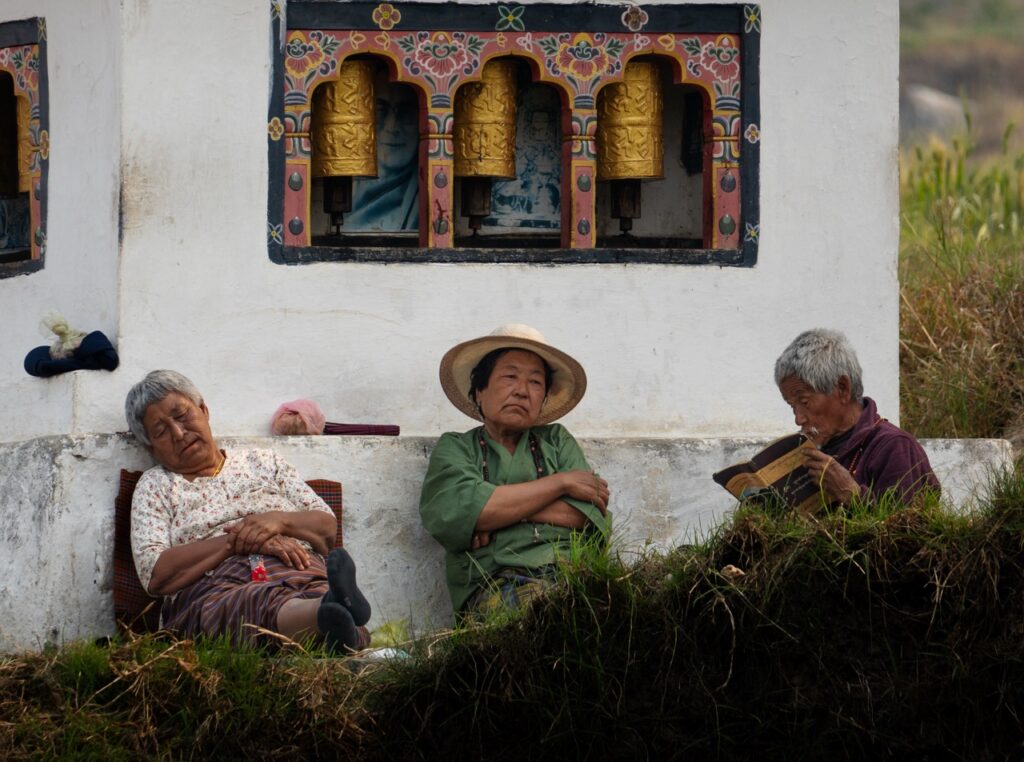
What if we stopped measuring success purely in terms of economic growth?
What if we applied Bhutan's model in our own countries?
Bhutan reminds us that another model is possible — one where development isn't at odds with inner peace, where culture and the environment are protected as pillars of wellbeing, and where happiness stops being a slogan and becomes public policy.
Perhaps the real revolution isn't about having more, but about living better, and happier.