
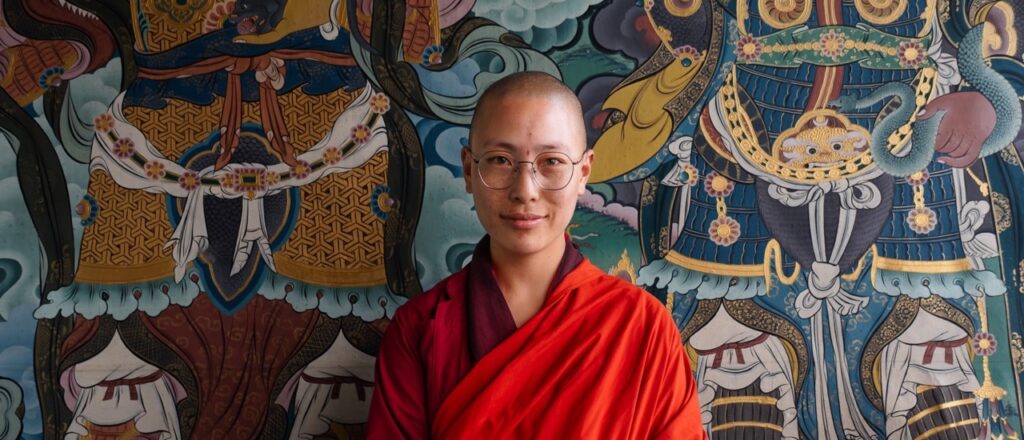
Whenever people ask me why Bhutan has left such a mark on me — enough to become one of the most special trips I've taken, and I've taken quite a few — I always answer that its people are a huge part of the whole travel experience.
Southeast Asia and its essence
Anyone who has ever travelled there can confirm it. The culture is completely different from the European one, and so are the people. The hospitality and generosity of the locals is remarkably striking. On my first trips to Thailand and Malaysia, and more recently to Japan and Vietnam, I get a sense of safety and wellbeing that captivates me. Asia has an essence that's hard to put into words — I suppose it runs deep in its various religions.
Bhutan and the Bhutanese
Despite sitting between two giants, China and Nepal, Bhutan has kept its culture, traditions and heritage intact. Staying true to its principles of conserving green spaces, the country maintains a high-value, low-impact policy, controlling the amount of tourism it receives each year.
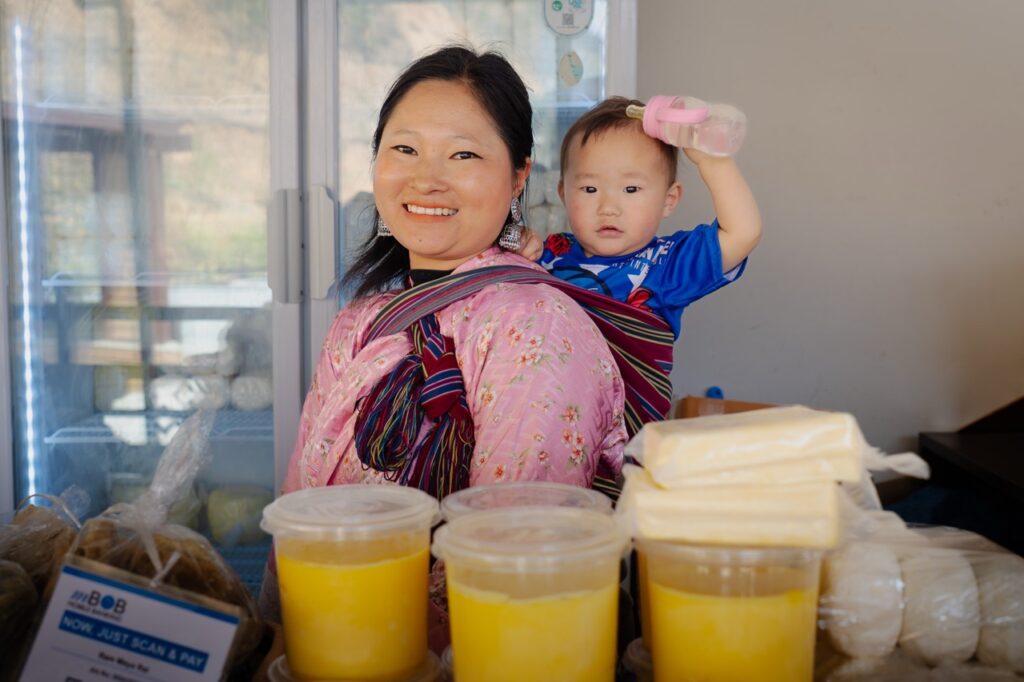
Proud of their legacy, Bhutanese citizens firmly stand behind this vision. They see tourism as a tool that reinforces their culture and lets future generations inherit their traditions, festivals, architecture and sacred spaces intact. For them, upholding this system is a conscious act of intergenerational responsibility.
The bond between tourists and locals
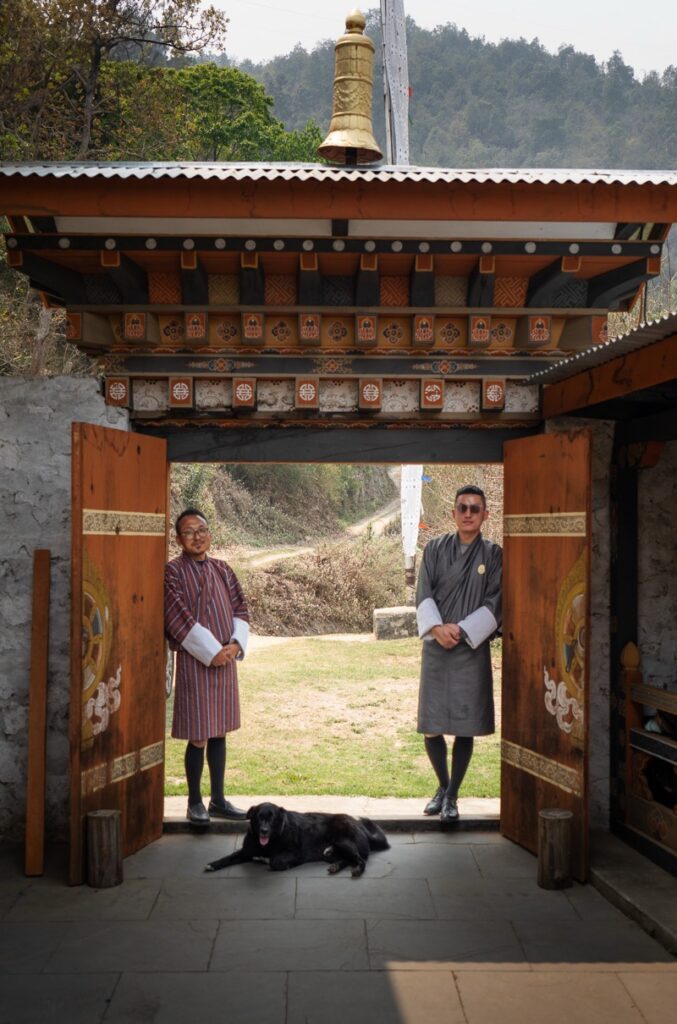
As soon as we landed at Paro airport, Dendup and Lobzang were waiting for us to start the 9-day route I had designed myself together with the local agency. Spending so many hours with the guide and the driver created a warm, trusting atmosphere that helped us work through all our questions about what we were seeing, thinking, or had read before starting the trip.
Every morning, when the guide picked us up punctually at the hotel or farmhouse entrance, there was already a bottle of water waiting for us on the seat. From that first sip, the conversations would begin: about the day's route, where to eat, what to do that evening, and then, unhurried, we'd talk about customs in Spain, in Bhutan, or about karma. Travel companions and, at times, friends. All of it wrapped in peace, respect and mutual curiosity.
Simplicity that embraces the soul
With more than 75% of the country Buddhist, the Bhutanese place great value on wisdom, compassion and generosity. These are values you could feel in the smallest details throughout the day, in the way they treated you — with respect, warmth and calm, always smiling. In Bhutan, the principle of Judrey law (the law of karma) applies: it's believed that an act of kindness returns to whoever offers it.
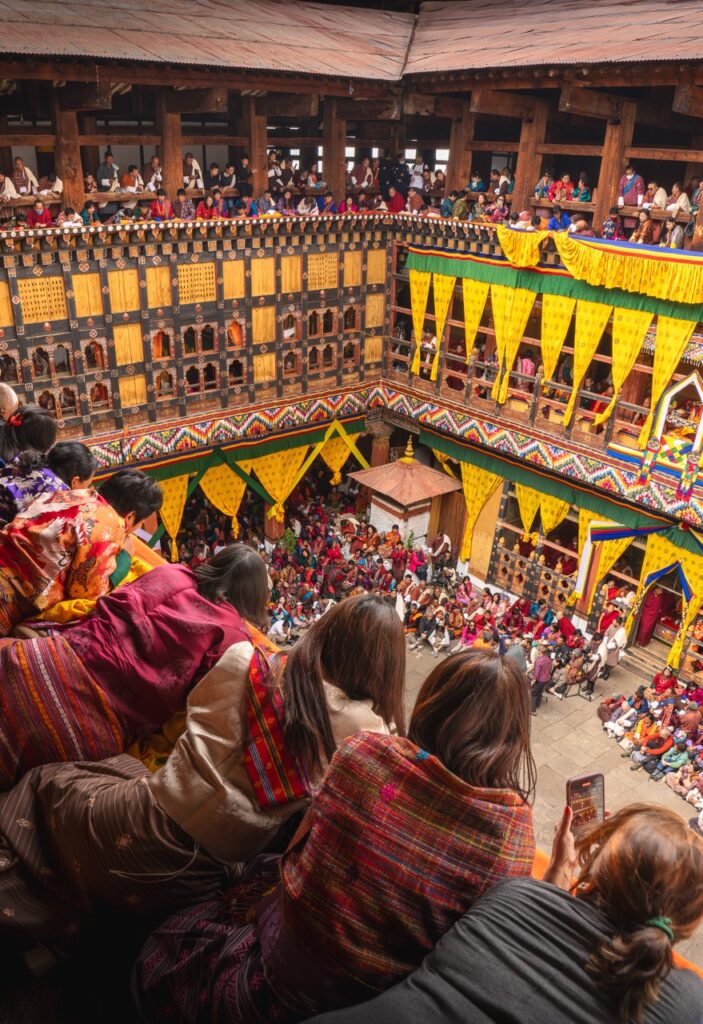
They've taught me to be patient, to smile more, to feel moved by nature, to share and to trust. They've shown me their homes, introduced me to their families, told me their little secrets, their opinions about the country, the King, tourism, and the opening up to so many things they've only been experiencing for barely a quarter of a century.
That's why, when people ask me why Bhutan is one of my favourite destinations, I always insist that its people are what make it special. Even though I've experienced Asian hospitality in other destinations, the Bhutanese are especially kind, generous and cheerful. They put the tourist's wellbeing before their own, and they've shown it every day on excursions, in restaurants and at religious festivals. This philosophy of life doesn't just shape the individual — it shapes an entire nation that puts community harmony above individualism.
This creates such a positive, feel-good energy that it hooks you — you want to come back before you've even left.
They taught me that travelling isn't just about seeing places — it's about meeting people who transform you.