
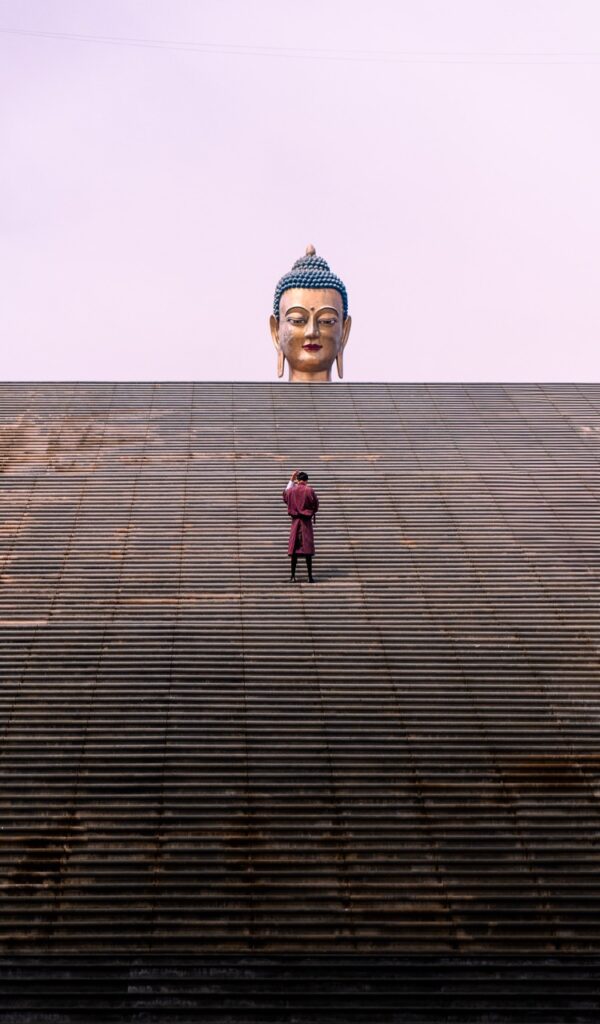
When people ask me why I decided to go to Bhutan, it occurs to me that it might be easier to ask why NOT to go. I can only think of one reason myself: not having saved up enough. Bhutan isn't like its neighbours — India and China are cheaper, with next-to-nothing visas and accommodation and food within almost anyone's budget. Bhutan means having your piggy bank overflowing with coins, or rather banknotes, just to start paying the entry fee the government charges per person, per night. A hundred euros a day, from which only content creators, journalists and people invited by a local are exempt — all of it overseen by the government after you submit an initial request, which is sometimes denied.
Once you get past that financial barrier — which is really the thing that might put you off going — the rest is similar to, or even cheaper than, many other destinations. Flights are affordable if you know how to search and have the patience to wait for deals. Flying via India might be the cheapest layover before catching the flight to Paro from Delhi or Bangladesh. But there are other options too, like Bangkok, Dubai or Singapore.
What Does an Organised Trip to Bhutan Include?
The good thing about booking everything through an agency is that they provide the driver, guide, accommodation, entry tickets to whichever temples and museums you've chosen, and meals and snacks throughout your stay. That means that once you step off the plane, you can stop worrying about absolutely everything.
I've almost always travelled independently, for more than 20 years now. I love sitting down at my computer with my travel guides, and once I've paid for my plane ticket, I start reading blogs and designing my perfect route. It's exciting to shape the tours, excursions and destinations I'll pass through, hunting for the best accommodation deals, alternative routes, or those half-secret restaurants where you can try the most exquisite local food.
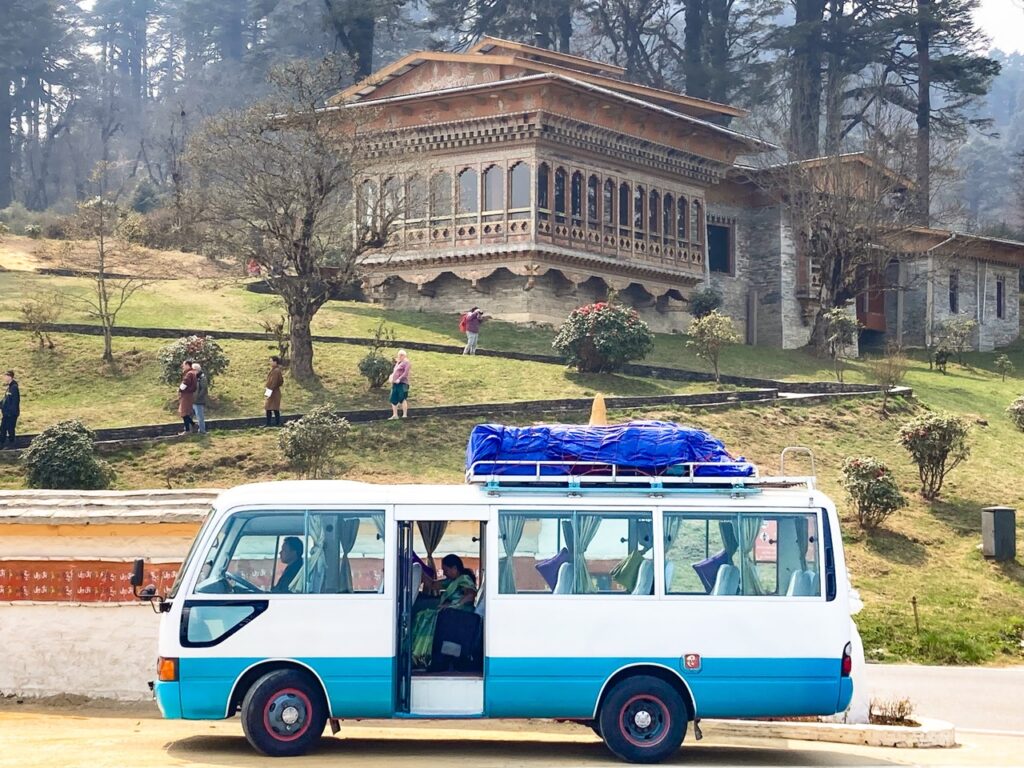
A trip to Bhutan is arranged through an agency: you pay, and they send you the itinerary and tickets a few days before you leave. In my case, this local agency, which I found by chance, gave me complete freedom to decide the route, the days, the stops, and even the restaurants I most wanted to try. They were completely flexible about our wish to see the most important things in the country, and advised us on the best routes and what alternatives there were whenever something didn't quite fit the plan. From the very first moment, we enjoyed Thimphu and its food, the magic of its bars at night with live music, as well as Paro and its Tsechu festival, the valleys of Punakha and Phobjika, and the farmhouses where we stayed.
My Experience in Bhutan: Farmhouses, Festivals and Hospitality
In the farmhouses, we could really feel the kindness of the family who hosted us. They cooked us their best dishes and sat with us around the fireplace to tell us what their children were studying, about the ones who had decided to emigrate to Australia, or what Bhutan was like without tourists or television just a quarter of a century ago.
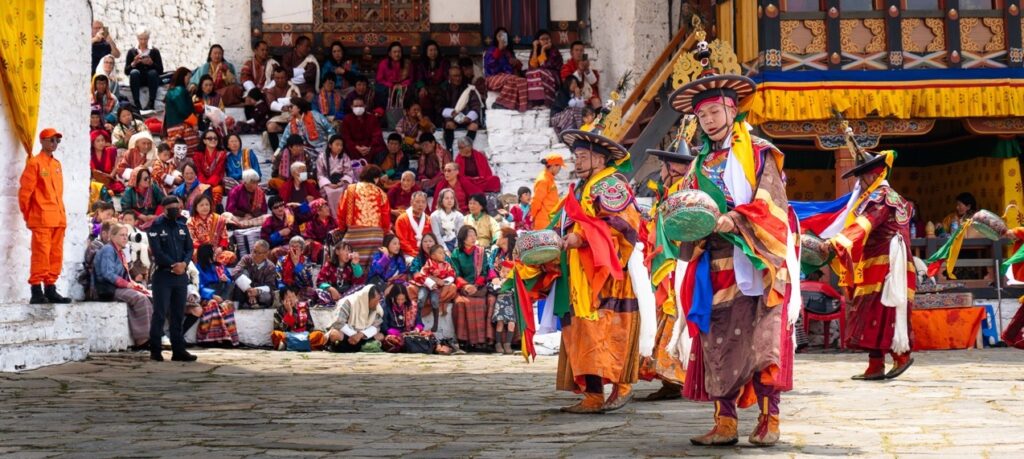
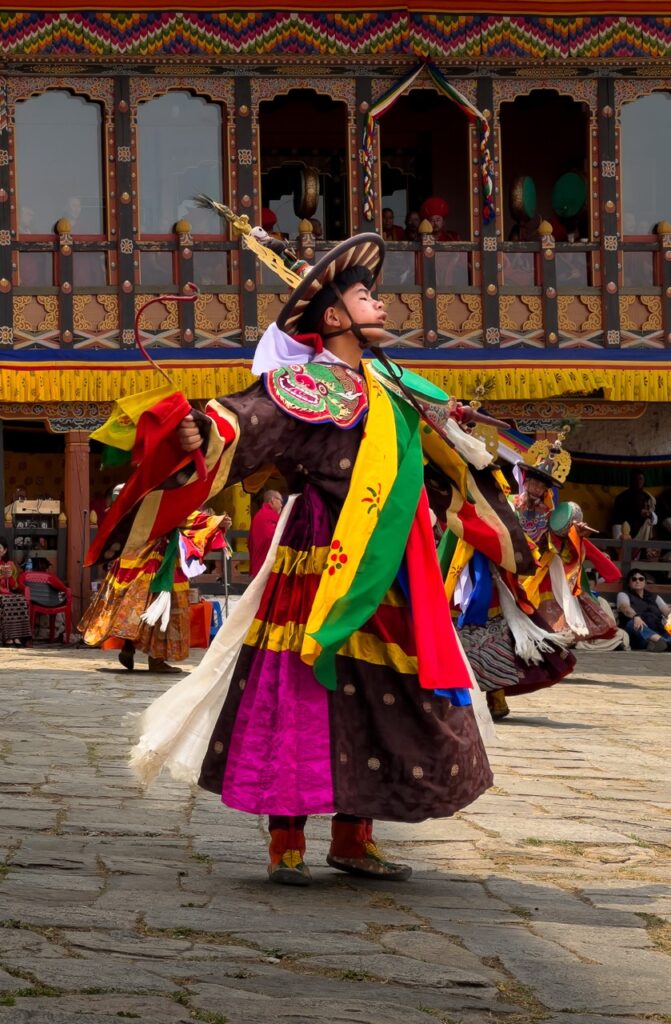
We enjoyed the magic of the Paro Tsechu festival and the generosity of all the families at the event, who let us stand in the front row to get the best photos of those dances, which left us mesmerised for hours with their music and flawless choreography. And as if that weren't enough, they fed and watered us, insisting that we were their guests and that they wanted us to enjoy their celebration to the fullest.
Our guide and driver became our best friends by the second day on the road. They looked after us, taught us things, explained things to us and joked around with us. They even took us to the hospital to make sure nothing was broken after a fall on some stairs, then sent a shamanic monk to the hotel to finish healing that ankle so we could go trekking 24 hours later.
Is Bhutan an Expensive Destination?
Bhutan is a unique country that deserves to be known for its culture and its philosophy of happiness, its nature, its temples and its surprising, little-known tantric Buddhism, and its kind, generous, helpful and cheerful people, who treat you like family. It's no more expensive than the safari of your dreams in Botswana, or a trip to Ecuador and the Galápagos, or exploring the West Coast of the US and Hawaii. What all these destinations have in common is that they aren't especially cheap, but that's because they're unique and unforgettable no matter how many years go by — and you'll probably end up wanting to go back.
Looked at with perspective, it's a trip within reach of many, and it should be on your list of favourites. I'll definitely go back myself — though first I'll need to buy myself a good piggy bank to start filling with coins.